Card Grading 101: How PSA, BGS and CGC Slabs Protect Your Cards (and What They Don't)
- Share
- publisher
- GUARD TCG Team
- Issue Time
- Aug 7,2026
Summary
Card grading seals your card in a rigid PSA, BGS or CGC slab that blocks physical damage - drops, scratches, dust - but not UV fading or humidity. Learn how graded card slabs protect cards, what they can't protect against, and best practices for storing and submitting graded cards.
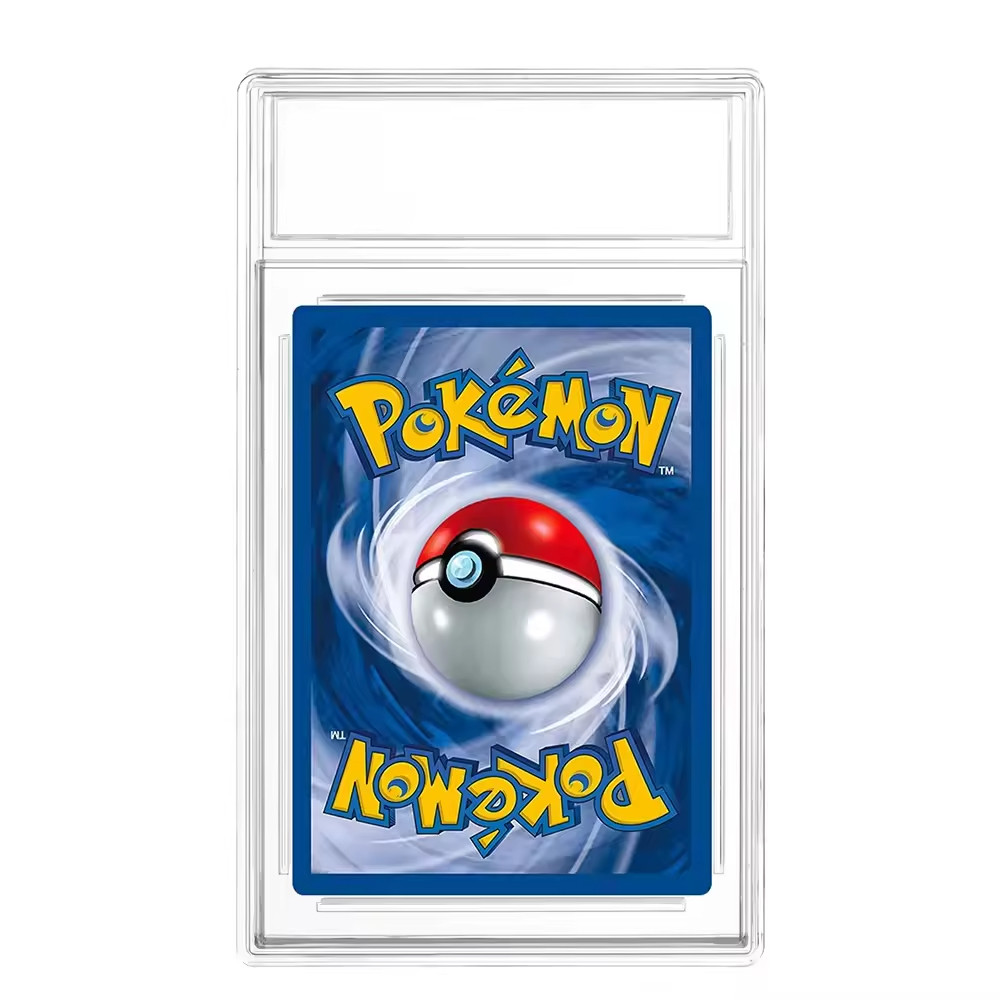
Card Grading 101: How PSA, BGS and CGC Slabs Protect Your Cards (and What They Don't)
Card grading is the process of having a professional service (PSA, BGS, or CGC) authenticate a trading card, assign it a condition grade from 1 to 10, and seal it inside a tamper-evident rigid holder called a slab. A graded card slab protects the card from physical damage — drops, scratches, fingerprints, dust, and handling wear — but it cannot stop UV fading, extreme temperature swings, or humidity-driven warping. Collectors who understand exactly what a slab does and doesn't do store their graded cards accordingly, which is why this guide breaks down slab construction, protection limits, and safe storage practices for graded cards.
What Is Card Grading?
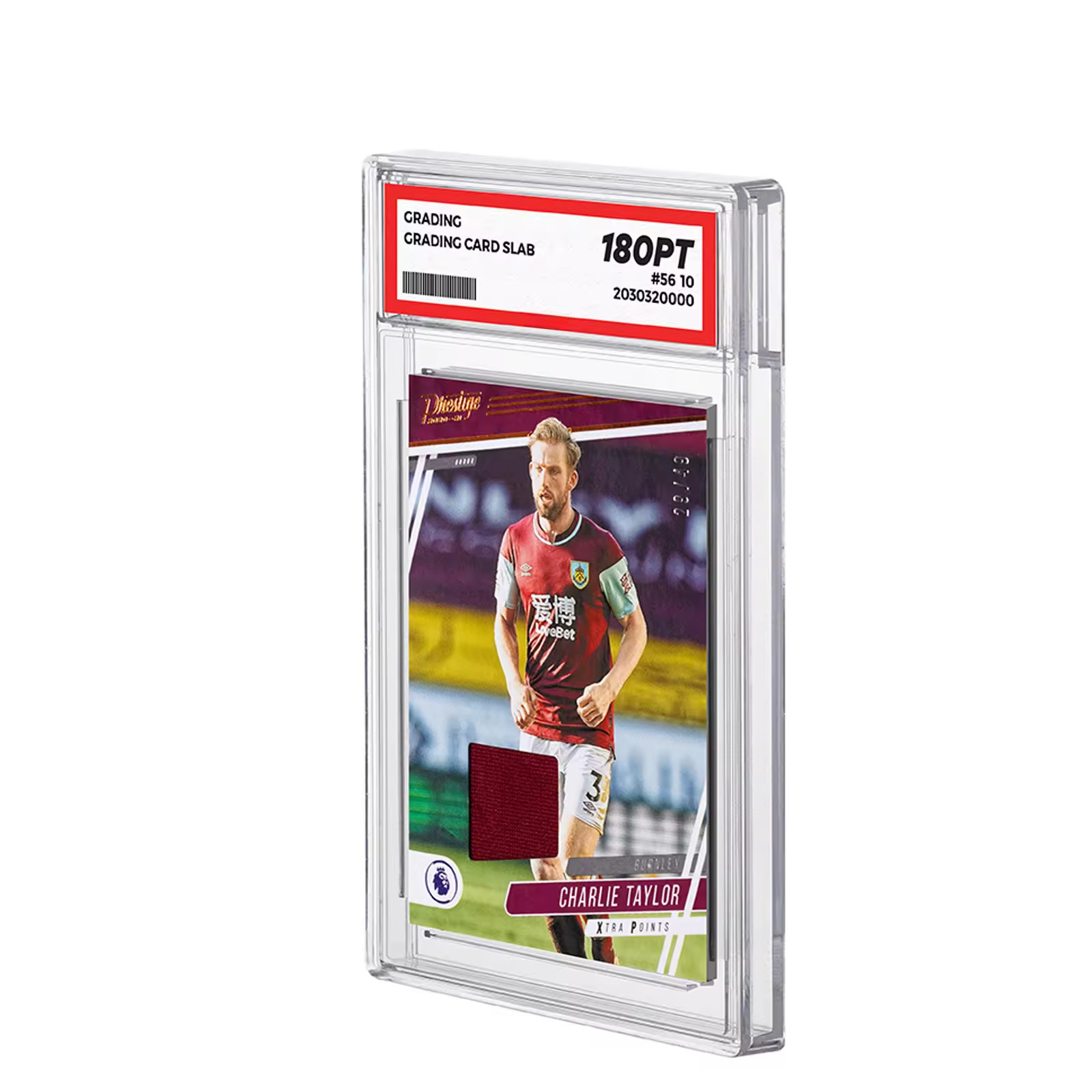
Card grading is a third-party authentication and condition assessment service. A trained grader inspects the card under controlled lighting and magnification, scores it across categories such as surface, corners, edges, and centering, and assigns a final grade on a 1–10 scale (for example, PSA 10 Gem Mint or BGS 9.5 with subgrades). The card is then sealed in a sonically welded, tamper-evident plastic holder — the slab — that cannot be opened without visible damage.
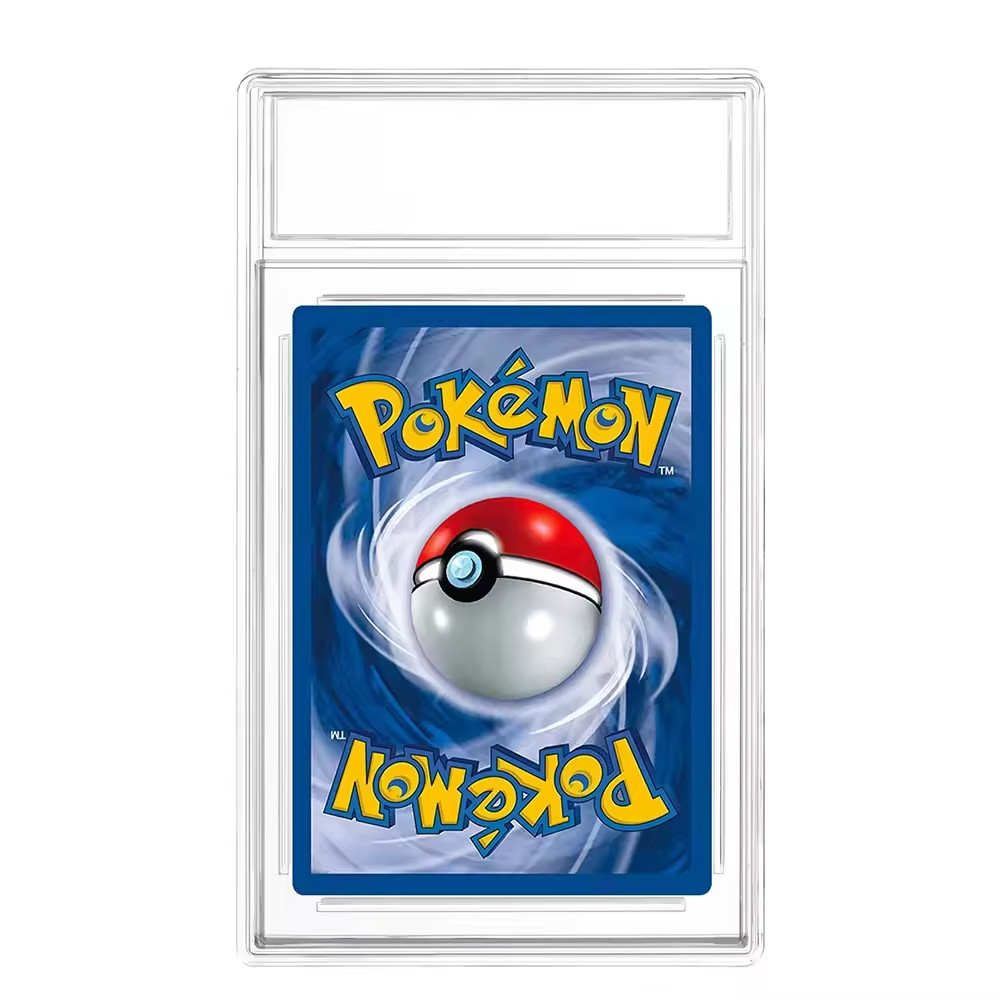
The grade becomes a standardized, third-party verified statement of condition. According to PSA's official submission guidelines, this makes cards easier to sell and price because buyers no longer have to trust the seller's word on condition. Grading services are widely used for Pokémon, sports cards, Magic: The Gathering, and high-value collectibles where condition directly drives market price.
How a Slab Is Constructed
A typical slab is two rigid plastic panels, usually made of polystyrene or similar impact-resistant plastic, sealed together around the card. Quality holders hold the card snugly so it cannot shift, rattle, or slide out, while the label on top records the company, card details, and grade. This is essentially the same construction principle as a factory-sealed 35PT ultrasonic sealing grading card slab, just executed at industrial scale.
Why Grade Your Cards? The Key Benefits
- Authentication and counterfeit protection: graders verify the card is genuine before encapsulation, which is critical for high-value vintage and modern cards.
- Physical protection: the rigid slab shields the card from drops, scratches, fingerprints, dust, and casual handling damage.
- Liquidity and trust: a documented grade removes condition disputes and makes cards easier to sell on marketplaces like eBay and TCGplayer.
- Tamper evidence: any attempt to open the slab leaves visible damage, so buyers can trust the card inside matches the label.
- Long-term condition stability: a snug, sealed holder keeps the card flat and limits exposure to air and moisture in normal room conditions.
- Collection value and display: graded cards store and display uniformly, and many collectors prefer slabbed collections for consistency.
PSA vs. BGS vs. CGC: How the Slabs Differ
| Feature | PSA | BGS | CGC |
|---|---|---|---|
| External size (approx.) | 3.25 × 5.375 in | 3.20 × 5.125 in | 3.125 × 5.25 in |
| Thickness | ~0.25 in | ~0.375 in (thickest) | ~0.20 in (slimmest) |
| Housing material | Polystyrene, frosted finish | Heavy-duty, robust build | Clear, modern design |
| Impact protection | Moderate | Highest (thickest walls) | Good |
| Stacking security | Excellent (interlocking ridges) | Good | Fair — can shift in transit |
| Weight | Lightest | Heaviest | Medium |
| UV blocking rating | None published | None published | None published |
As the comparison shows, the three major grading services use different holder dimensions and build philosophies. BGS slabs are the thickest and most impact-resistant but the heaviest and least storage-compatible; CGC slabs are slim and modern; PSA slabs are the industry standard with the best stacking design. None of the three publishes a tested UV-blocking percentage for its holder — an important fact we'll unpack next.
Who Should Use Grading Services?
- Serious collectors of high-value Pokémon, sports, MTG, or One Piece cards who want condition verified and protected.
- Sellers and flippers who want documented grades to command premium prices on eBay and TCGplayer.
- Investors and long-term holders who treat sealed and slabbed product as an asset class and need stable, verifiable condition.
- Estate and collection managers handling valuable collections where authenticity and condition matter for insurance or resale.
- Anyone with cards worth more than the grading fee — as a rule of thumb, if the card's value justifies the $15–$75+ per-card cost, grading is worth considering.
What slabs don't protect — read this before storing: no major grading company publishes a UV-block rating for its holder, and independent testing suggests a bare slab blocks only a fraction of UV light. Keep graded cards out of direct sunlight, and treat extreme heat, humidity, and pressure as real risks even inside a slab.
How to Choose the Best Grading Service
- Match the service to the card type: PSA leads for Pokémon and sports, BGS is popular for modern sports and subgrades, CGC is strong for comics-style grading and value tiers.
- Compare turnaround time and price: services offer economy to express tiers; weigh cost against card value and how quickly you need it back.
- Check resale demand: for most modern cards, PSA and BGS carry the deepest buyer recognition, which can matter at resale.
- Consider subgrades: BGS and CGC offer subgrade breakdowns (surface, corners, edges, centering) useful for high-end buyers.
- Budget for protection after grading: plan slab sleeves, bumpers, or a dedicated slab storage box in the same budget — the slab is not the final protection layer.
Best Practices for Storing and Handling Graded Cards
- Keep slabs out of direct sunlight: UV fades card ink and labels over time; even indoor display lighting adds cumulative exposure.
- Control temperature and humidity: aim for 18–24°C (65–75°F) and 40–50% relative humidity; avoid attics, garages, and basements.
- Don't stack slabs too high: weight and friction can scuff holders and stress corners; use horizontal layering or a slotted slab storage box.
- Add a soft layer for long-term storage: slab sleeves or bumpers absorb scratches and impact; combined with a box they protect the holder itself.
- Handle by the edges: fingerprints on the plastic show quickly and are hard to remove without scratching the holder.
- Use rigid protection when shipping: ship slabs in a snug box with padding — BGS thickness resists damage best, but nothing survives a rough courier trip unprotected.
Before You Submit: Prep Cards the Way Graders Expect
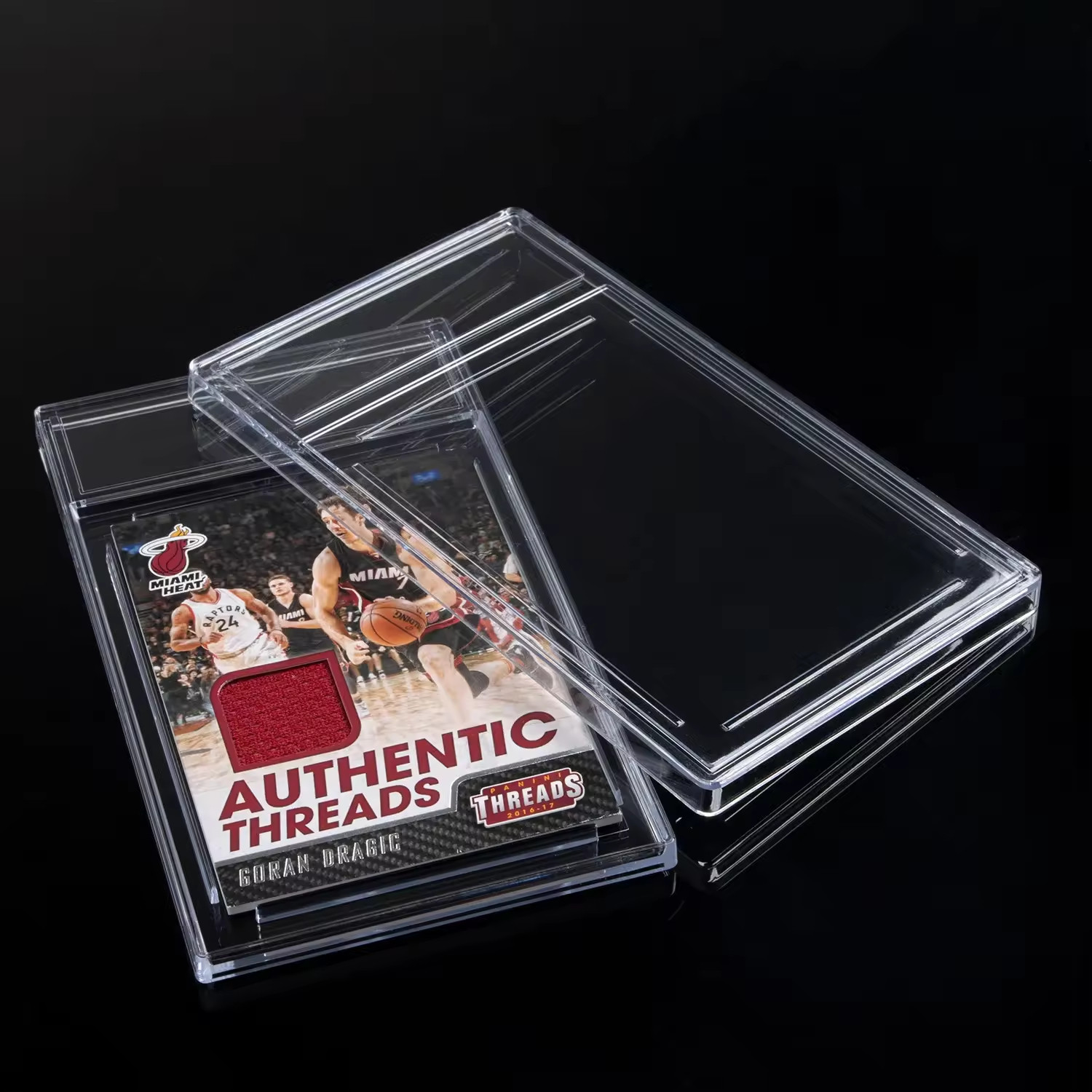
According to PSA's official submission guidelines, cards should travel in a clear penny sleeve inside a semi-rigid Card Saver holder, sandwiched between cardboard, with no toploaders, magnetic one-touch holders, tape, or sticky notes — those cause processing delays and may not be returned. A 35PT toploader is perfect for daily protection, but use a Card Saver-style setup when the card actually goes to a grader. Fresh, clean penny sleeves keep the surface protected without leaving marks.
About GUARD TCG
GUARD TCG is a professional trading card accessories manufacturer founded in 2009, producing 300 million+ pieces per year for collectors and retailers in 70+ countries. Our in-house factory serves 10,000+ customers and 500+ distributors with OEM/ODM services, standard-product MOQ from 100 pieces, and QC batch inspection on every order. Our range covers the full graded-card ecosystem — from 35PT grading card slabs and toploaders to slab storage and display solutions. Learn more on the About Us page, browse the full range on Products, or contact our team for bulk pricing and custom branding.
FAQ
Can a graded card slab break?
Yes, under enough force. Slab plastic is impact-resistant but not unbreakable — drops onto hard floors and rough shipping are the main culprits. Handle slabs by the edges and use padded packaging when shipping to minimize risk.
What are PSA slab dimensions?
A standard PSA slab measures approximately 3.25 × 5.375 inches and about 0.25 inches thick. BGS slabs are slightly shorter but noticeably thicker (~0.375 in), while CGC slabs are the slimmest at roughly 0.20 inches.
Do slabs protect cards from UV damage?
Not reliably. No major grading company publishes a UV-blocking rating for its holder, and independent testing suggests a bare slab blocks only a fraction of UV. Keep graded cards out of direct sunlight and consider UV-blocking display cases for long-term display.
Can I submit cards to PSA in a toploader?
PSA's official submission guidelines recommend a penny sleeve inside a semi-rigid Card Saver, not a toploader. Toploaders, magnetic holders, tape, and sticky notes can cause processing delays and may not be returned. Use a toploader for daily protection and a Card Saver setup for the actual submission.
How should I stack graded cards for storage?
Keep stacks low and stable, or better, store slabs horizontally in a slotted slab storage box. High stacks cause holder scuffs from friction and stress the corners of the lowest slabs.
Conclusion
Card grading seals your card inside a rigid, tamper-evident slab that does an excellent job against physical damage — drops, scratches, fingerprints, dust, and handling wear — while adding authentication and a standardized condition grade that makes cards easier to sell. But a graded card slab is not a vault: it blocks little UV, and extreme temperature, humidity, and pressure can still damage the card inside. Store graded cards out of sunlight, keep the environment stable, protect the holder itself with sleeves, bumpers, or a slab storage box, and follow PSA, BGS, or CGC submission guidelines when sending cards in. Grade the card, then protect the slab — that two-layer mindset is what keeps graded collections in top condition for decades.
Wholesale and OEM Supply
Need this range in bulk? GUARD TCG manufactures graded card slab accessories and offers OEM/ODM custom card accessories for brands, card shops and distributors. Browse the graded card slab accessories range, or request a wholesale quote.