Card Sleeve Manufacturer Checklist: Materials, Micron, and Certificates
- Share
- publisher
- GUARD TCG Team
- Issue Time
- Nov 4,2026
Summary
A card sleeve manufacturer checklist: material declaration (PP/PET, no PVC), micron and dimensional tolerances, test certificates, factory vs trading company, and sampling protocol for bulk buyers.
Card Sleeve Manufacturer Checklist: Materials, Micron, and Certificates
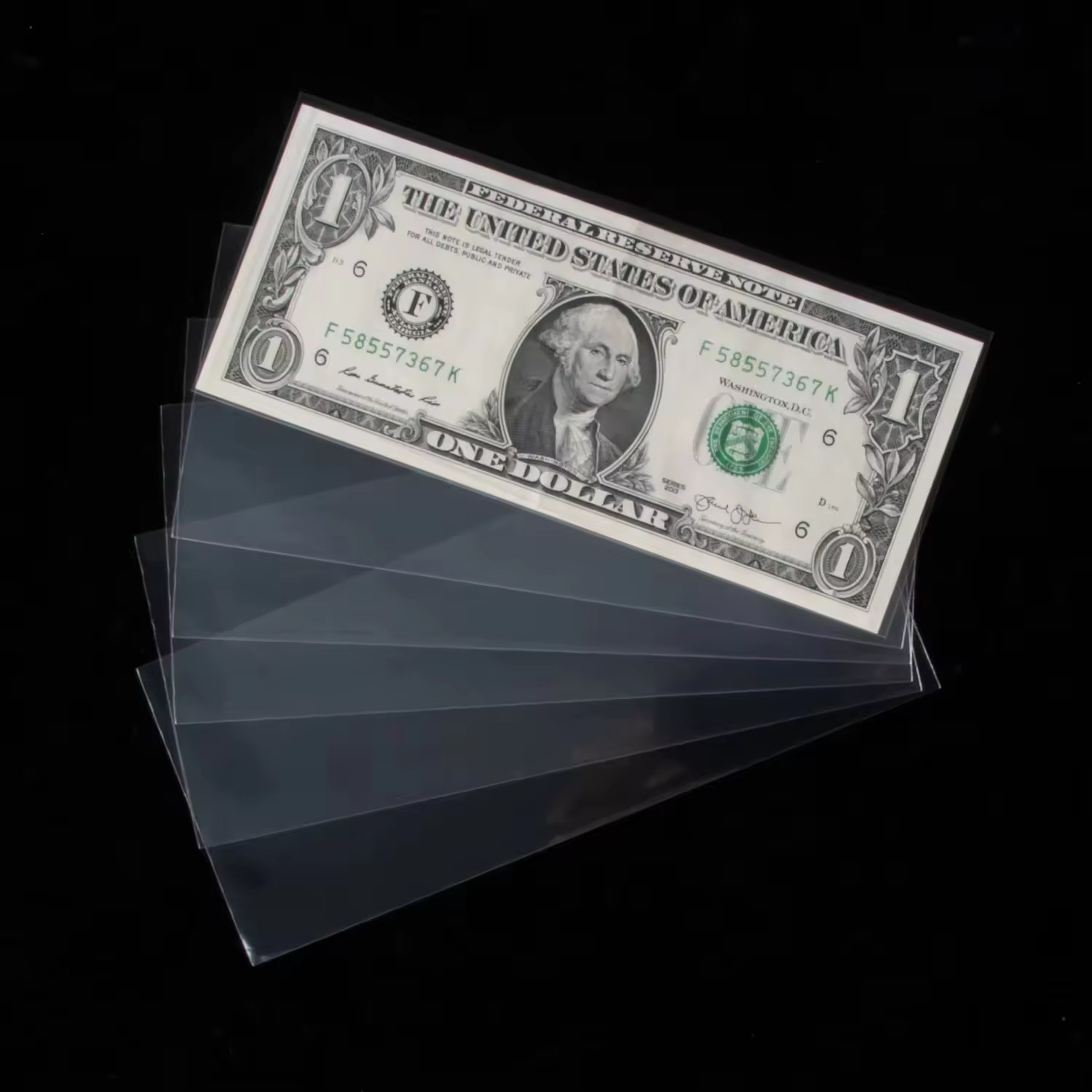
A card sleeve manufacturer should document material type (PP or archival PET, never plasticized PVC), micron thickness with tolerance, dimensional tolerance for 66x91 mm and 63.5x88 mm formats, and test certificates for safety and environmental compliance. Ask for the tolerance figures in writing: 50 micron +/-5 and 66x91 mm +/-0.3 mm are the numbers serious buyers use when comparing factories. This checklist is what turns a supplier conversation into a spec you can hold a factory to.
What a Card Sleeve Manufacturer Should Provide
Before you compare quotes, every card sleeve manufacturer should hand you the same five documents: a material declaration, a micron and dimensional tolerance sheet, safety and environmental test certificates, a sampling policy, and a production lead time in writing. A factory that cannot state these numbers is selling a generic product, not a spec. Buyers who skip this step end up with sleeves that split in play, fit cards too tightly, or fail a retail compliance check after the container has already shipped.
Material Declaration: PP, PET, and PVC Risk
Polypropylene (PP) is the default for penny and standard sleeves because it is soft, cheap, and stable. PET is stiffer and clearer, used for premium and rigid outer sleeves. PVC is the material to reject for long-term card contact: plasticized PVC can release plasticizers that migrate into the card and damage it over time. Always require a written material declaration and, for PVC-adjacent claims, an explicit statement that the film is PVC-free. For importers, a clear material spec also keeps your product compliant in markets that restrict certain plastics.

Micron Thickness and Tolerance Explained
Micron is the gauge of the film, and the tolerance is how much it can vary run to run. A 50-micron sleeve with a +/-5 micron tolerance can measure anywhere from 45 to 55 microns, and that spread is what you feel as "thin" or "thick" sleeves in the same box. Write the tolerance into the order: 50 micron +/-5 is a realistic spec for standard sleeves. A factory that only says "50 micron" without a tolerance is not controlling its film, and you will see the variation in returns and complaints.
Dimensional Tolerance for Standard Formats
Card sleeves are sized to the card, not the box. The two workhorse formats are 66x91 mm (for standard 63.5x88 mm cards, e.g. MTG) and 63.5x88 mm (for the card itself), plus oversized formats for jumbo cards. A 66x91 mm sleeve should hold a tolerance of roughly +/-0.3 mm so the card slides in without being loose or needing to be forced. Confirm both the inner format and the tolerance, because a sleeve that is a millimeter too small is unusable and a millimeter too large lets the card slide and collect dust.
Certificates and Test Reports to Request
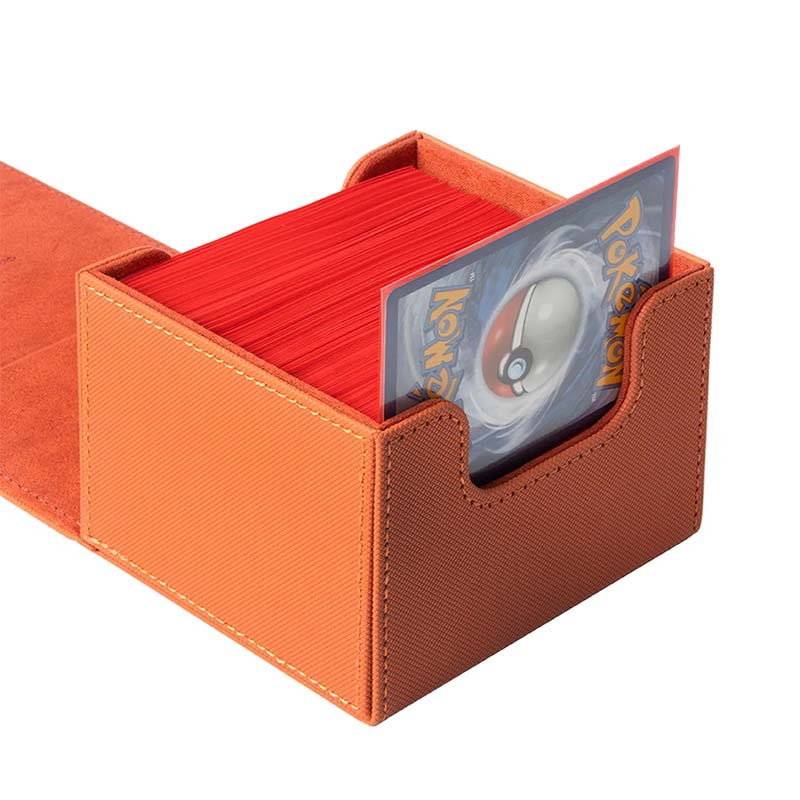
For retail and import, ask for the certificates your market actually requires: a safety test (EN71 for the EU, CPSIA for the US), a materials or phthalates statement, and, where relevant, a RoHS or REACH declaration. These documents are also your proof in a customs or platform review. A manufacturer that can produce dated test reports on request is operating at a different level from one that cannot, and it is one of the fastest ways to separate a factory from a trading company.
Factory vs Trading Company Compared
A factory controls the film, cutting, and sealing; a trading company buys from a factory and resells. For a stable, long-term sleeve line, you usually want the factory directly. The table below summarizes the trade-offs.
| Factor | Factory | Trading company |
|---|---|---|
| Control over spec | Direct, can adjust micron/tolerance | Limited, relies on supplier |
| Unit price | Usually lower at volume | Higher, adds a margin |
| Certificates | Owns the test reports | Requests from the factory |
| Lead time | Direct and predictable | Adds coordination time |
| MOQ flexibility | May require higher MOQ | Can aggregate smaller orders |
| Best for | Ongoing, high-volume programs | Testing or mixed small orders |

Sampling Protocol for Bulk Buyers
Never commit a bulk order without a pre-production sample. Ask for a stock sample first to check feel, clarity, and fit, then a pre-production sample once your artwork and micron are locked. Test the sample against your actual cards, not a ruler: slide cards in and out, shuffle a deck, and check the corners for splitting after a few dozen uses. A sample costs a fraction of a container and catches the fit and material problems that are expensive to fix at scale.
Best Practices for Repeat Orders
Lock your spec into a signed order sheet and re-use it on every reorder so the factory cannot quietly drift the micron or the dimensions. Keep the certificates on file and re-confirm they are current, because test reports expire and regulations change. Reorder against your sell-through and land just above a pricing tier, and keep a standing order for fast-moving standard sleeves while reserving custom runs for proven SKUs.

About GUARD TCG
GUARD TCG is a card protection and display manufacturer founded in 2009, producing more than 300 million units a year for customers in over 70 countries, with 10,000+ customers and 500+ distributors worldwide. We provide OEM and ODM sleeve programs with documented material, micron, and tolerance specs, a 100-unit MOQ, full-batch quality inspection, and express or sea shipping. For a card sleeve manufacturer quote, start with our OEM/ODM page or the trading card sleeves catalog, or contact us through the inquiry page.
FAQ
Q1. What documents should I ask a card sleeve manufacturer for?
A material declaration, a micron and dimensional tolerance sheet, safety and environmental test certificates, a sampling policy, and a lead time in writing.
Q2. What micron tolerance is realistic for standard sleeves?
50 micron +/-5 is a realistic tolerance for standard sleeves, and 66x91 mm +/-0.3 mm is a workable dimensional tolerance. Get both in writing before ordering.
Q3. Why should I avoid PVC card sleeves?
Plasticized PVC can release plasticizers that migrate into the card and damage it over time. Require a written PVC-free statement for long-term card contact.
Q4. Factory or trading company, which is better?
For stable, high-volume programs a factory gives you direct control over spec, price, and certificates; a trading company is useful for testing or smaller mixed orders.
Conclusion
A card sleeve manufacturer is only as good as the spec you hold it to. Require the material declaration, micron and dimensional tolerances, and certificates in writing, sample before you commit, and lock the spec into every reorder. For a factory-direct sleeve program, browse our catalog or reach out through the inquiry page.