PSA vs BGS vs CGC vs SGC vs TAG: Grading Companies Compared
- Share
- publisher
- GUARD TCG Team
- Issue Time
- Oct 17,2026
Summary
Compare PSA vs BGS vs CGC vs SGC vs TAG grading companies on market liquidity, subgrades, turnaround, and cost tier, with slab storage best practices and wholesale MOQ, packaging, and lead time guidance.
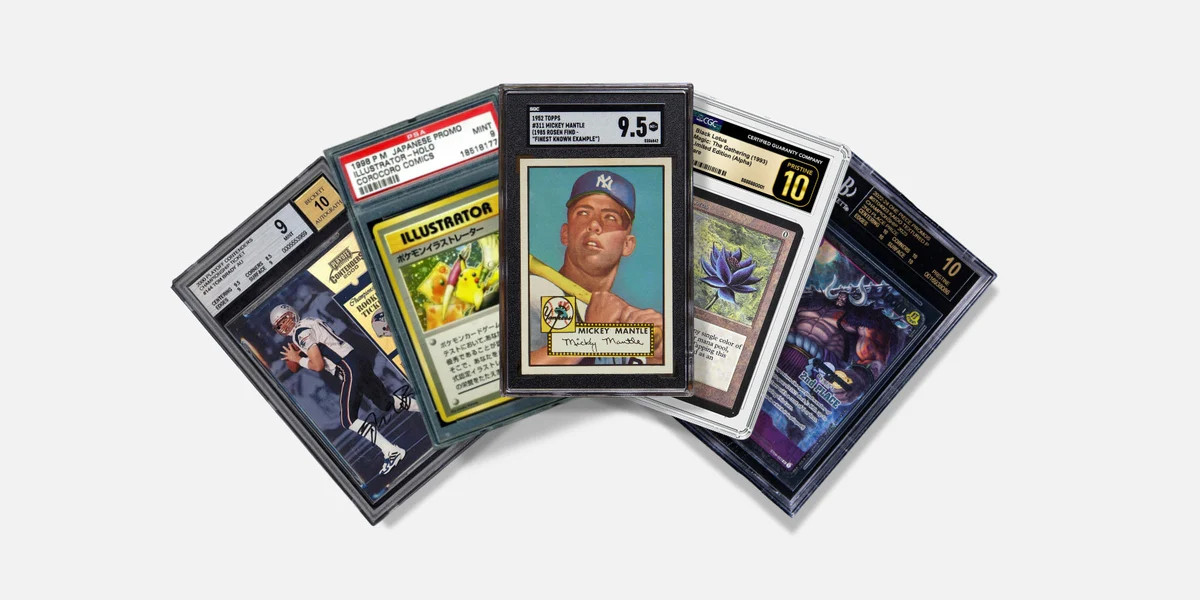
PSA vs BGS vs CGC vs SGC vs TAG: Grading Companies Compared
PSA offers the strongest market liquidity and resale premium, BGS provides subgrades and a notoriously tough black label, CGC is known for fast turnaround and transparent imaging, SGC stays price-competitive on vintage cards, and TAG uses automated digital grading. The right grader for your PSA vs BGS vs CGC comparison depends on card type, resale venue, budget, and how fast you need the slab back. For retailers and importers stocking slab storage, knowing these five graders also tells you exactly which slab sizes and bumpers to carry.
What Card Grading Companies Actually Offer and Why Choice Matters
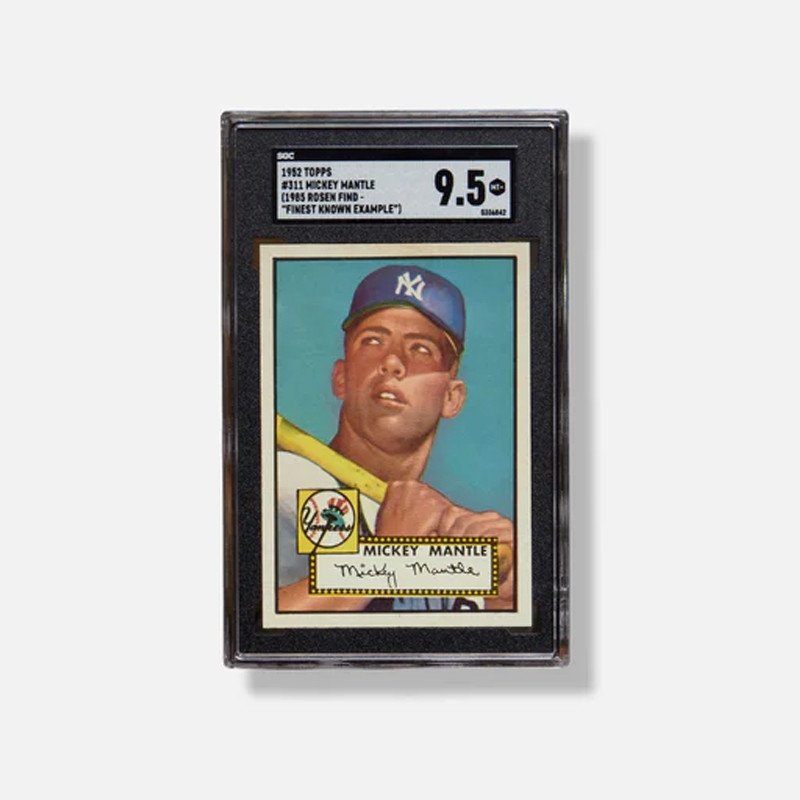
A grading company inspects a card, assigns a numeric condition grade, and seals it in a tamper-evident slab. That slab does two jobs: it authenticates the card and it freezes its condition in a way buyers trust. But each grader weighs centering, corners, edges, and surface slightly differently, and each has a different reputation in different marketplaces, which changes the resale price for the same card. Choosing the right company is therefore a resale decision as much as a condition decision.
PSA vs. BGS vs. CGC vs. SGC vs. TAG: Fees and Turnaround Compared
The five graders split into three camps: PSA dominates modern-card liquidity, BGS wins on precision subgrades and premium labels, and CGC, SGC, and TAG compete on speed, price, and niche trust. The table below summarizes how they compare on the factors that matter most to sellers and buyers.
| Company | Market liquidity | Subgrades | Turnaround | Cost tier | Best for |
|---|---|---|---|---|---|
| PSA | Highest; premium resale | No standard subgrades | Slower at entry tiers | Higher, value tiers limited | Modern cards, max resale |
| BGS | Strong for premium | Four subgrades | Moderate | Mid to high | Precision, Black Label chase |
| CGC | Growing, strong TCG | Optional | Fast | Lower entry, bulk deals | Speed, transparent imaging |
| SGC | Strong on vintage | No | Fast | Price-competitive | Vintage and value cards |
| TAG | Niche, tech-forward | Digital metrics | Moderate | Mid | Automated, consistent grading |
| Your goal | Match the grader to your card type, resale venue, and budget rather than defaulting to one name. | ||||
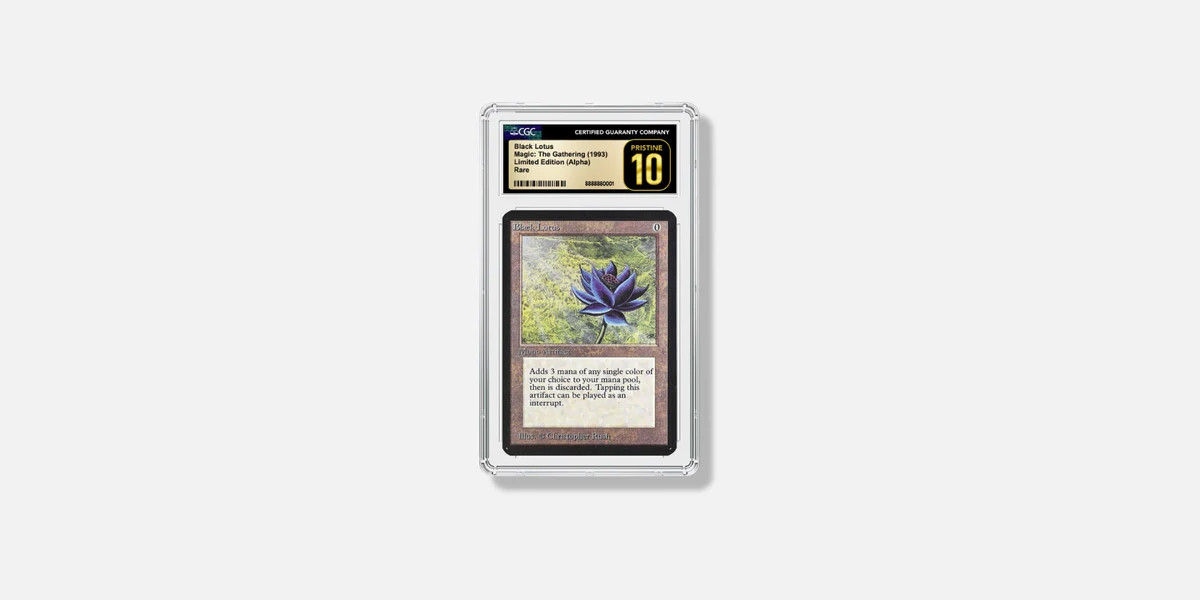
PSA: Market Liquidity, Labels, and Pricing Tiers
PSA is the default for modern sports cards and Pokémon, largely because its registry and auction-tracked population reports make PSA slabs the easiest to resell at a premium. As of 2026, PSA has suspended several entry-level and value tiers and shifted toward higher declared-value services, which means casual submissions now start at higher price points than they did a few years ago. The takeaway for sellers: if maximum resale value and liquidity are the goal, PSA is usually the answer, but factor the higher per-card cost into your expected return.
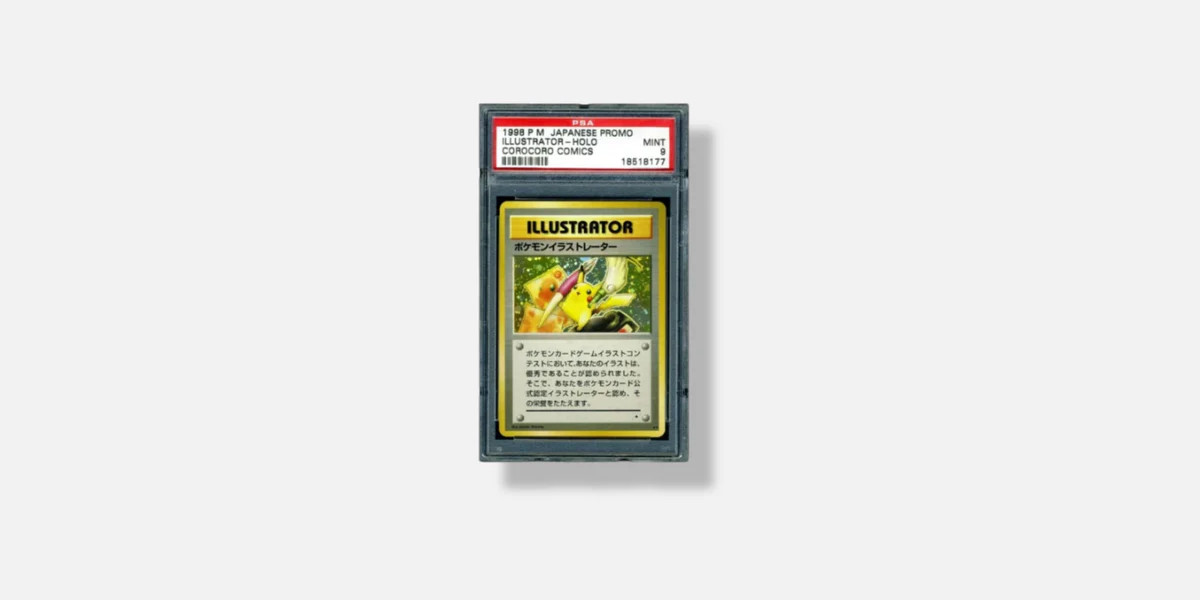
BGS: Subgrades, Black Label, and Slab Design
Beckett (BGS) assigns four subgrades for centering, corners, edges, and surface, which appeals to collectors who want to see exactly where a card lost points. Its Pristine 10 and Black Label tiers are among the most valuable labels in the hobby because they are hard to earn. BGS slabs are also a bit larger and use an inner sleeve, which matters if you stock protective bumpers and storage boxes sized to specific slabs. For premium modern cards where a perfect grade pays off, BGS is the precision play.
CGC, SGC, and TAG: Turnaround, Imaging, and Specialty Focus
CGC grew out of comics and has become a strong TCG grader, prized for fast turnaround, clear population data, and transparent high-resolution imaging, with competitive bulk pricing for larger batches. SGC is a favorite for vintage cards, where its pricing and quick turnaround matter more than the PSA premium. TAG is the newcomer: it uses computer-vision metrics and a "ding report" to justify the grade, appealing to collectors who want consistency and data over brand tradition. Each of these three is a strong value play for the right card type.
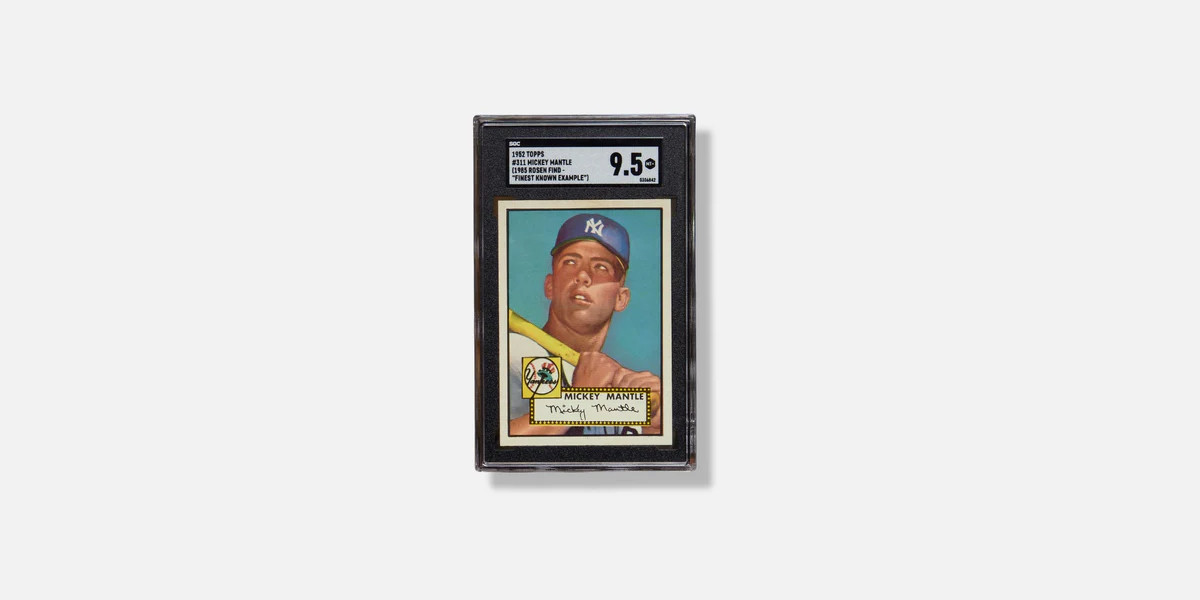
How to Choose the Right Grader for Your Card and Goal
Start from the goal, not the brand. Selling fast at top dollar on eBay or auction: PSA. Chasing a perfect score on a premium card: BGS. Grading a large TCG batch on a budget: CGC bulk. Vintage cards where cost efficiency wins: SGC. Want data-driven, consistent grading: TAG. Then check the current fee and turnaround for your chosen tier, because those change, and prescreen the card honestly so you do not pay grading fees on a card that cannot reach the grade that makes it worth submitting.
Storage and Handling Best Practices for Slabs From Any Company
No matter which grader you pick, the slab needs protection: sleeve the slab or add a fitted bumper to prevent scratches and corner chips, store slabs flat or upright in a graded card storage box away from sunlight and humidity, and avoid stacking heavy boxes directly on slabs. A scratched slab reads as damage to buyers even when the card inside is untouched, so treat the slab like part of the card.
Wholesale and Retail Notes for Buyers (MOQ, Packaging, Lead Time)
For shops and importers stocking slab accessories across PSA, BGS, CGC, SGC, and TAG slab sizes, the buying math matters. GUARD TCG offers slab bumpers, magnetic cases, and graded card storage boxes with a standard MOQ around 100 units per SKU, protective film plus corrugated carton packaging to prevent transit damage, and lead times of roughly 15 to 25 days for production with 5 to 12 days by express or 25 to 35 days by sea. Custom sizes and branding are available through our OEM/ODM program, and our catalog covers graded card slab accessories in a dedicated category.
About GUARD TCG
GUARD TCG is a card protection and display manufacturer founded in 2009, producing more than 300 million units a year for customers in over 70 countries, with 10,000+ customers and 500+ distributors worldwide. We provide OEM and ODM services with a 100-unit MOQ, full-batch quality inspection, and express or sea shipping. For questions about stocking slab protection or grading supplies, contact us through the inquiry page.
FAQ
Q1. Which grading company is best for resale value?
PSA generally commands the strongest liquidity and resale premium for modern cards, while BGS Black Label and Pristine 10 slabs are highly valuable for premium cards. The best choice still depends on the specific card and venue.
Q2. Do BGS subgrades matter for the final grade?
Yes. BGS assigns subgrades for centering, corners, edges, and surface, and they show buyers exactly where a card lost points, which adds transparency and can support premium pricing.
Q3. Is CGC good for TCG cards?
Yes. CGC is a strong TCG grader with fast turnaround, clear population data, and high-resolution imaging, and its bulk tiers make it cost-effective for larger batches.
Q4. How should I store graded slabs after grading?
Use a slab bumper or sleeve, store slabs flat or upright in a graded card storage box away from light and humidity, and avoid stacking weight directly on slabs to prevent scratches and corner chips.
Conclusion
The PSA vs BGS vs CGC vs SGC vs TAG decision is really a decision about your card, your venue, and your budget. Match the grader to the goal, prescreen honestly, and protect the slab after it comes back. For retailers and importers stocking the accessories that keep those slabs safe, browse our catalog or reach out through the inquiry page.