TCG Shop Supplies Checklist: Everything a Game Store Needs to Stock
- Share
- publisher
- GUARD TCG Team
- Issue Time
- Sep 18,2026
Summary
A complete TCG shop supplies checklist covers six groups: card sleeves, rigid protection (toploaders and magnetic holders), storage and binders, deck boxes and playmats, acrylic display and retail hardware, and counter essentials. This guide breaks the list down by shelf zone, recommends SKU counts and a $2,000-$5,000 first-order budget for card shop inventory, compares protection vs. display vs. play supplies, and explains how to choose suppliers with low MOQ and batch-level QC.
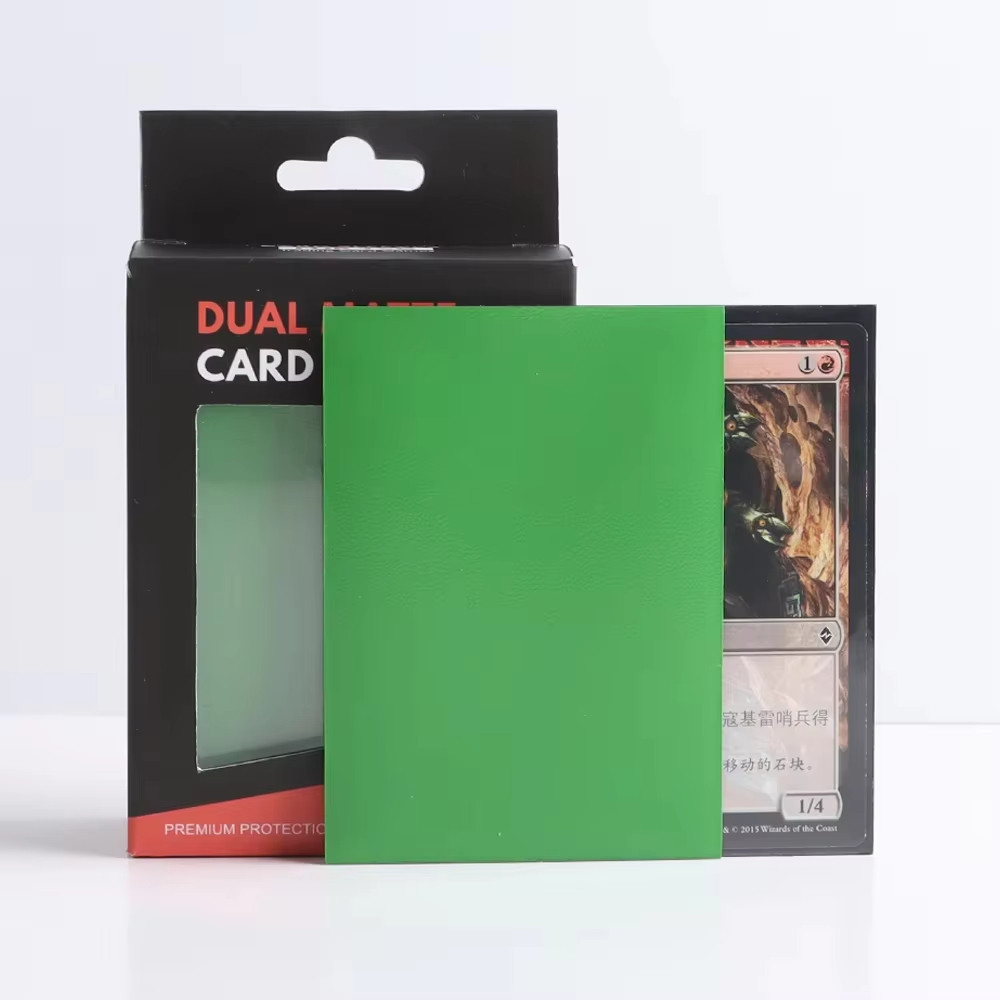
TCG Shop Supplies Checklist: Everything a Game Store Needs to Stock
A complete TCG shop supplies checklist covers six groups: card sleeves (standard, Japanese and inner), rigid protection (toploaders, magnetic one-touch holders, slab accessories), storage and organization (binders, storage boxes, card dividers), deck boxes and playmats for players, acrylic display and retail hardware (display cases, booster pack dispensers, lockable cases), and counter-side essentials such as price stickers, dice and tournament supplies. A new game store can open a credible accessory wall with roughly 35-50 SKUs and a first accessory buy of about $2,000-$5,000 — then let sell-through data drive the rest. GUARD TCG has manufactured these products since 2009 for 500+ distributors across 70+ countries, so this checklist is built from what actually sells on shop floors.
What Counts as TCG Shop Supplies?
"TCG shop supplies" is shorthand for every accessory a store sells alongside sealed product and singles: the consumables players buy over and over, the protective products collectors buy for specific cards, and the display hardware that makes product look worth buying. Unlike sealed booster boxes, these items do not rotate out with each set release, which is why experienced owners treat them as the stable backbone of card shop inventory rather than an afterthought.
It helps to split the category by why a customer buys it. Consumables (sleeves, toploaders, inner sleeves) are bought repeatedly by players. Protectors (binders, storage boxes, graded slab accessories) are bought by collectors protecting value. Play gear (deck boxes, playmats, dice) follows tournament schedules. Display hardware (acrylic cases, booster pack dispensers) is often bought by other retailers as much as by your own customers. Each group has a different margin profile, a different restock rhythm, and a different reason to sit on your shelf.

Sleeves are the first line on every checklist: the lowest price point on the wall, the highest purchase frequency, and the product that teaches a new customer where your accessory aisle is.
The Core Checklist by Shelf Zone
Merchandising works best when the checklist is organized the way customers actually shop, zone by zone around the play space. Below is the list we see in well-run stores of every size.
- Zone 1 — Sleeves and inner sleeves: standard-size (66 x 91 mm) sleeves in clear slash matte, Japanese-size (62 x 89 mm) sleeves for Pokémon and One Piece TCG, and inner "perfect fit" sleeves for double sleeving. Stock at least three price tiers so a budget player and a tournament grinder both find their answer.
- Zone 2 — Rigid protection: 35PT toploaders for standard cards, thicker 55PT-130PT sizes for memorabilia and patch cards, cardsavers for grading submissions, magnetic one-touch holders for display-grade singles, and slab accessories (slab sleeves, slab bumpers, magnetic slab cases) for graded cards.
- Zone 3 — Storage and organization: 9-pocket and 12-pocket binders, toploader binders, ringless albums, cardboard storage boxes in 800/1600/3200-count sizes, and EVA foam or lockable cases for graded slabs. Dividers and index cards sell faster than most owners expect.
- Zone 4 — Play gear: 60+ and 100+ deck boxes including magnet-closure and convertible tournament cases, rubber and cloth playmats, dice sets, and life counters. This zone tracks your event schedule directly.
- Zone 5 — Display and retail hardware: acrylic display cases for booster boxes, ETBs and tins, booster pack dispensers, screw-down graded card cases, and locked showcase units for high-value singles.
- Zone 6 — Counter essentials: price stickers and card savers for your singles case, card-count boxes for buy-list intake, sorting trays, and tournament supplies such as round timers and score pads.
Recommended SKU Count by Category
New owners usually over-buy depth and under-buy breadth. A healthy first assortment spreads across categories instead of loading four boxes of one sleeve design. The ranges below are what we recommend to stores opening their first accessory wall.
| Category | Recommended First SKUs | Why It Earns Shelf Space |
|---|---|---|
| Card sleeves | 6-10 SKUs (standard, Japanese, inner, matte, holographic) | Highest turnover and best attach rate on every transaction |
| Toploaders and rigid holders | 3-5 SKUs (35PT, 55PT+, cardsaver, one-touch) | Sells to players, collectors and grading submitters alike |
| Binders and albums | 4-6 SKUs (9-pocket, 12-pocket, ringless, toploader binder) | Higher ticket price lifts average basket size |
| Storage boxes and cases | 3-5 SKUs (800/1600/3200-count, EVA foam, lockable) | Bulk card collections need somewhere to live |
| Deck boxes | 4-6 SKUs (60+, 100+, magnet closure, convertible) | Tracks tournament season and deck-building habits |
| Playmats | 3-5 SKUs (rubber, cloth, branded prints) | Impulse purchase at the counter, strong gift appeal |
| Acrylic display cases | 4-8 SKUs (booster box, ETB, tin, mini tin, graded slab) | Highest margin family; also sells to other retailers |
| Retail hardware | 2-4 SKUs (pack dispenser, screw-down case, showcase) | Drives incremental sealed product sales at the counter |

A booster pack dispenser is checklist item and sales tool at once: it organizes loose packs on the counter and measurably increases packs sold per transaction.
First-Order Budget: What a New Store Should Actually Spend
A small store opening fresh typically commits $2,000-$5,000 to its first accessory order, not counting sealed product and singles. Roughly split, that looks like 30-35% sleeves and rigid protection, 20-25% binders and storage, 15-20% deck boxes and play gear, 15-20% display cases, and 5-10% held back as a contingency for restocking whatever sells out first in the opening month. These figures are an industry estimate based on typical opening assortments — rent, region and format focus move them meaningfully.
Two practical notes keep the first order efficient. First, buy breadth before depth: one or two units per SKU is enough to learn what your customers want. Second, take advantage of low minimum order quantities. Our standard lines start at 100 pieces MOQ, which means a new shop can test a category — say slab accessories or acrylic tin cases — without tying up several thousand dollars in one product family.

Magnetic one-touch holders bridge the gap between raw singles and graded slabs — a fast-growing line for stores that want a premium display option under $20.
Protection Supplies vs. Display Supplies vs. Play Supplies
Not every checklist item behaves the same way. Grouping them by commercial function makes purchasing decisions much clearer.
| Feature | Protection Supplies | Display Supplies | Play Supplies |
|---|---|---|---|
| Examples | Sleeves, toploaders, cardsavers, slab sleeves | Acrylic cases, booster pack dispensers, showcases | Deck boxes, playmats, dice, life counters |
| Typical retail gross margin | 45-60% (industry estimate) | 60-75% (industry estimate) | 50-70% (industry estimate) |
| Purchase frequency | Very high — repeat consumable | Low to medium, often one-time | Medium, event-driven |
| Who buys it | Every player and most collectors | Collectors, gift buyers, other retailers | Active tournament players |
| Storage space needed | Small — high density per shelf | Large — bulky, fragile, needs display | Medium |
| Restock rhythm | Monthly | Quarterly | Tied to event calendar and set releases |
| Best role in the store | Daily cash flow base | Margin and visual merchandising | Community retention and repeat visits |
| Risk if overstocked | Low — format-agnostic, no obsolescence | Medium — bulky and set-specific sizes | Medium — designs date faster |
How to Choose Suppliers for Card Shop Inventory
Your checklist is only as good as the supplier behind it. Working factory-direct rather than through a trading company usually removes a layer of markup and gives you a single point of accountability on specification, packaging and lead time. The questions worth asking before your first purchase order:
- Do they publish real specifications? Sleeve thickness in microns, toploader thickness in PT, UV blocking percentages and case dimensions should be documented, not estimated on a call.
- What is the MOQ? Standard lines from a factory should start low — around 100 pieces — so you can test before committing.
- Can they do private label later? Look for OEM and ODM capability, so your store brand can grow into custom-printed sleeves, playmats or branded display cases.
- What does quality control look like? Batch-level full inspection matters more than a sample report; a fraction of a millimeter in sleeve width is the difference between a product that sells and one that gets returned.
- How do they ship? Express courier through DHL, FedEx or UPS typically delivers in 5-12 days for trial orders; sea freight in 25-35 days is the low-cost option for full production runs.
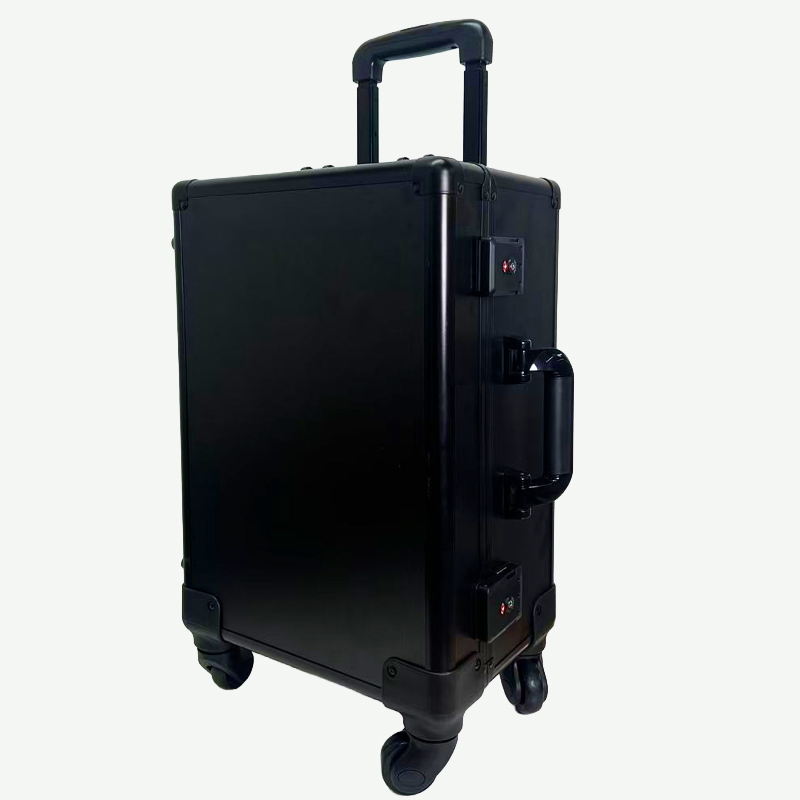
A lockable, foam-lined graded card case covers two checklist lines at once: organized storage for your singles inventory and a security solution for high-value slabs near the counter.
Restocking Rhythm and Best-Seller Tracking
The checklist is a starting point, not a static document. Rebuild it every quarter from your own sell-through data. Track four numbers by category: units sold per week, gross margin percentage, inventory turns, and stock-outs. A category turning more than four times a year is under-ordered; a category turning fewer than twice a year is consuming cash and shelf space that a faster line could use.
Two rhythms work well in practice. Monthly: sleeves, toploaders, inner sleeves, dice — the consumables that never stop moving. Quarterly: binders, acrylic display cases, retail hardware and seasonal playmats. Around major set releases, temporarily lift open your sleeves, deck boxes and binder orders a few weeks ahead of street date; ICv2's long-running hobby-retail reporting has repeatedly shown accessory demand rising alongside new-set traffic, and being out of sleeves on release weekend is one of the cheapest sales you will ever lose.
Best Practices for Game Store Supplies
- Merchandise by zone, not by brand. Customers shop by problem ("my cards get bent"), not by manufacturer.
- Put a staff-recommended item at eye level in every zone. A simple shelf talker naming the use case — top loaders for grading submissions, inner sleeves for double sleeving — converts far better than a price tag alone.
- Keep entry price points visible. A $3 sleeve pack brings a new customer in; a wall of $25 binders sends them out.
- Bundle for basket size. A "deck night kit" of sleeves, a deck box and a playmat protects margin better than discounting individual items.
- Protect your most valuable inventory first. Screw-down or lockable display cases should hold anything you would not want to lose; according to PSA's submission guidance, collectors increasingly treat graded slabs as valuable assets rather than disposable cardboard, and your display should reflect that.
- Standardize your bestsellers. Once a sleeve or toploader proves itself, keep the same supplier and spec so customers get a consistent feel every time they buy.
Common Mistakes New Card Shops Make
Three errors show up again and again in first-year stores. First, buying deep on a single sleeve design and running out of breadth — the customer who needs Japanese-size sleeves does not substitute standard ones. Second, skipping display hardware entirely, which leaves sealed product in a drawer instead of on a shelf where it sells. Third, treating accessories as a one-time purchase: the checklist should be reviewed quarterly against sell-through, and the fastest-selling zones should get more facings while the slowest lose shelf space.

Screw-down acrylic cases turn a display shelf into a secure showcase — one of the few accessories that protects inventory and sells product at the same time.
Why Binders and Storage Belong on the Checklist Too
Owners building their first order often skip binders because the unit price is higher and the turnover slower. That misses the point: binders and storage boxes are what convert a casual collector into a regular customer with a growing collection. A 40-pocket zipper binder holds a full set project; a toploader storage box keeps a grading submission organized for months; a lockable graded card case solves real fear about theft and damage. TCGplayer's long-standing collector guidance and eBay's own card-selling categories both lean on protective storage as the baseline expectation for any card described as near-mint, and your shelf should offer the products that make that standard achievable.
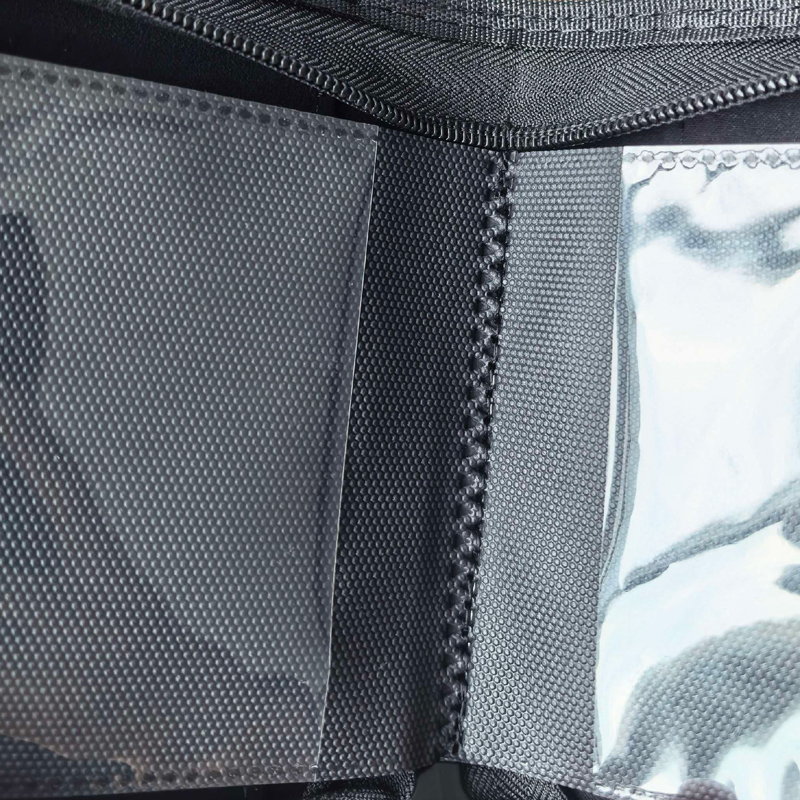
Binders carry a lower turnover than sleeves but a far higher ticket — the fastest way for a small store to raise average basket size without adding new customers.
About GUARD TCG
GUARD TCG has manufactured trading card protection, storage and display products since 2009, producing more than 300 million pieces a year for 10,000+ customers and 500+ distributors across 70+ countries. Our range covers card sleeves, inner sleeves, toploaders, magnetic holders, binders, storage boxes, deck boxes, playmats and acrylic display cases — essentially every line on the checklist above — with OEM and ODM programs for shops, distributors and private-label brands. Standard items start at just 100 pieces MOQ, orders ship by DHL, FedEx or UPS in 5-12 days or by sea in 25-35 days, and every batch passes full inspection before it leaves the factory. Explore our full product range for wholesale pricing, read about our factory, or send an inquiry with your opening order list.
FAQ
How much should a new game store spend on its first accessory order?
Plan on roughly $2,000-$5,000 for a credible opening accessory wall of 35-50 SKUs — an industry estimate that assumes a small storefront. Buy one or two units per SKU first, learn what sells in your community, then reinvest in the winners.
What is the single most important item on the checklist?
Card sleeves, without question. They have the lowest price point, the highest turnover and the best attach rate of any accessory, which makes them the item you can never afford to be out of stock on.
Do I need acrylic display cases if I only sell a little sealed product?
Yes — and they can become a profit center in their own right. Acrylic cases for booster boxes, ETBs and tins carry the highest margins in the accessory category, and other local retailers will often buy them from you too.
How many SKUs is too many for a small store?
For a store under 1,500 square feet, more than about 50 accessory SKUs usually means cash and shelf space are spread too thin. Breadth across categories beats depth within one design, and quarterly sell-through reviews should prune the slow movers.
Can I start with a small trial order before committing to volume?
At a factory, yes. Our standard accessory lines begin at a 100-piece minimum order quantity, so a new shop can test sleeves, display cases or binders in modest quantities and scale up once demand is proven. Custom-printed and private-label runs carry higher minimums depending on tooling and printing.
How often should I review my supplies checklist?
Restock consumables monthly and review the full checklist quarterly against units sold, margin and inventory turns. Rebuild the assortment around major set releases when accessory demand rises with new-player traffic.
Conclusion
A complete TCG shop supplies checklist is built from six groups — sleeves, rigid protection, storage and organization, play gear, acrylic display hardware, and counter essentials — and a new game store can open with roughly 35-50 SKUs for an initial accessory buy of about $2,000-$5,000. The stores that get this right do three things: they merchandise by shelf zone instead of by brand, they never run out of the consumables that customers buy every week, and they buy factory-direct from a supplier that documents specifications, starts at low MOQ and inspects every batch. Treat the checklist as a living document reviewed against sell-through, and your accessory wall becomes the most dependable slice of card shop inventory you own. Back to GUARD TCG home.