Card Protection & Material Insights
All
Card Protection & Material Insights
Storage & Display Solutions
Custom Branding & OEM Services
Buyer’s Guide & Comparison Reviews
Industry Trends & Market Insights
Trade & Logistics Tips for Importers
Collector Education Hub

Card Protection & Material Insights

Scratch-Resistant Acrylic Cases: Coatings, Polishing, and Care

A scratch resistant acrylic case relies on a hard coat over cast sheet, not on the material alone. This guide compares cast and extruded acrylic, explains hard-coat versus film options, covers polishing and buffing for minor scratches, and sets out a cleaning and storage routine that avoids new marks, with wholesale notes on MOQ, packaging, and lead time for importers and retailers.

Nov 14,2026
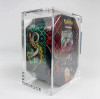
Scratch-Resistant Acrylic Cases: Coatings, Polishing, and Care

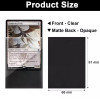
Matte vs Clear Card Sleeves: Finish, Shuffling, and Scanning Compared

Matte, clear and holographic card sleeves compared on shuffle feel, glare, opacity, durability and scanner behaviour, with storage and replacement advice plus MOQ, packaging and lead-time notes for retailers and importers sourcing custom clear sleeves for cards.

Nov 12,2026

Matte vs Clear Card Sleeves: Finish, Shuffling, and Scanning Compared

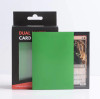
Ultrasonic Sealing Card Sleeves vs Glue: How They Are Made

Ultrasonic sealing card sleeves use high-frequency vibration to weld film without adhesive, while glue sealing bonds with a third material. This factory-side guide compares bond strength, seam appearance, material compatibility and inspection methods, with MOQ, packaging and lead-time notes for retailers, distributors and importers sourcing card protection.

Nov 10,2026

Ultrasonic Sealing Card Sleeves vs Glue: How They Are Made

PVC Sleeves Card Damage: How Plasticizer Migration Happens

PVC sleeves card damage comes from plasticizer migration: flexible PVC releases oily additives that soften ink and leave ghosting that graders score as surface wear. This guide explains the mechanism, how to test film for PVC before loading cards, how to rehouse affected cards safely, and what retailers and importers should specify: polypropylene or polyethylene, plasticizer-free, with MOQ, packaging, and lead-time notes.

Nov 7,2026

PVC Sleeves Card Damage: How Plasticizer Migration Happens

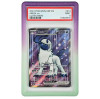
Silicone vs TPU vs Aluminum Slab Bumpers: Which Protects Best?

Slab bumper vs slab sleeve protection explained, then silicone vs TPU vs aluminum bumpers compared on cushioning, drop resistance, fit tolerance, and stacking, with wholesale MOQ, packaging, and lead time guidance.

Nov 5,2026

Silicone vs TPU vs Aluminum Slab Bumpers: Which Protects Best?

UV Blocking Ratings Explained: 92% vs 99% Protection for Card Cases

A UV blocking card case filters ultraviolet light to slow ink and cardboard fading. This guide explains what 92% vs 99% ratings measure, why the gap matters, and how importers and retailers choose the right spec for any display.

Nov 3,2026

UV Blocking Ratings Explained: 92% vs 99% Protection for Card Cases

Acid-Free Card Storage and Archival Protection: Why Chemistry Matters

Acid-free card storage explained for collectors, retailers, and importers: how pH-neutral polypropylene, polyethylene, and polyester protect trading cards from acid migration, why PVC damages cards over time, and how to source archival binders and boxes with documented materials.

Oct 31,2026

Acid-Free Card Storage and Archival Protection: Why Chemistry Matters

Sleeve Thickness in Microns: 40, 50, and 60 Micron Sleeves Compared

Sleeve thickness in microns explained: 40, 50, and 60 micron card sleeves compared on fit, shuffle feel, binder capacity, and protection, with wholesale MOQ, packaging, and lead time notes for buyers.

Oct 30,2026

Sleeve Thickness in Microns: 40, 50, and 60 Micron Sleeves Compared

PP vs PET vs PVC Card Sleeves: Material Science Explained

How PP, PET, and PVC card sleeves differ in clarity, flexibility, and long-term stability, and why PVC-free polypropylene and polyester are the archival-safe choices for buyers.

Oct 27,2026

PP vs PET vs PVC Card Sleeves: Material Science Explained

What Does PT Mean in Card Storage? 35PT, 55PT and 130PT Explained

PT stands for point (1 PT = 0.001 inch / 0.0254 mm) and describes the inner cavity of card protectors: 35PT fits standard cards, 55PT fits premium foil stock and double-sleeved cards, 130PT fits patch and memorabilia cards. Learn how to choose the right toploader thickness from GUARD TCG, a factory-direct manufacturer since 2009.

Aug 12,2026

What Does PT Mean in Card Storage? 35PT, 55PT and 130PT Explained

UV Damage on Trading Cards: What It Looks Like and How to Prevent It

UV damage on trading cards appears as faded ink, washed-out colors, and yellowed edges, and it is permanent. Learn what UV damage looks like, which cards fade fastest, and how UV-blocking display cases and dark storage protect your collection from sunlight.

Aug 10,2026

UV Damage on Trading Cards: What It Looks Like and How to Prevent It

What Is a Slab Bumper? Why Graded Card Collectors Are Adding Them

A slab bumper is a soft TPU or silicone frame that snaps around the corners of a graded card slab, absorbing impact and preventing corner cracks. Learn how slab bumpers compare to slab sleeves and Slabmags, who should use them, and how to choose the best fit for PSA, BGS, and CGC slabs.

Aug 8,2026

What Is a Slab Bumper? Why Graded Card Collectors Are Adding Them

How to Evaluate Card Protection Materials: PVC vs PP vs PE Sleeves & Different Case Types

Not all card protection materials are created equal. This guide explains the key differences between PVC, PP, and PE sleeves, along with common card case types such as toploaders, acrylic cases, and aluminum frame holders. Designed for beginners and serious collectors alike, this article clarifies why non-PVC materials matter and how to choose the best protection for long-term card preservation.

Jan 20,2026

How to Evaluate Card Protection Materials: PVC vs PP vs PE Sleeves & Different Case Types

Toploader: The Essential Card Protector Every Collector Needs

Discover why toploaders are the most trusted choice for trading card protection. Learn about their materials, benefits, and why every collector—from Pokémon to sports—relies on them to keep cards safe and display-ready.

Oct 8,2025

Toploader: The Essential Card Protector Every Collector Needs